The beauty of a garden often lies in its simplicity and the harmony it creates with the surrounding environment. When well-executed, low-maintenance landscaping can yield stunning results while minimizing upkeep. One of the most effective strategies for achieving this balance is through the careful selection of native plants. These hardy species not only thrive in local conditions but also contribute to biodiversity and sustainability.
Understanding Native Plants
Native plants are species that naturally occur in a specific region or ecosystem without human seasonal planting schedule intervention. They have adapted over time to local soil types, climate, and wildlife, making them particularly resilient and better suited for survival in their native habitats. By opting for native species, homeowners can create gardens that require less water, fewer pesticides, and minimal fertilization compared to non-native counterparts.
For instance, consider the Eastern Redbud (Cercis canadensis), which flourishes in many eastern U.S. states. This tree provides beautiful spring blooms and attracts various pollinators like bees and butterflies. In contrast, a non-native tree might require more resources to survive and attract fewer local wildlife species.
Advantages of Native Plants
Using native plants offers numerous advantages that align with both aesthetic goals and ecological responsibility.
Low Maintenance: Native plants typically require less watering once established since they are accustomed to local rainfall patterns. Additionally, they tend to be more resistant to pests and diseases, reducing the need for chemical treatments.
Biodiversity Support: Gardens using native flora can support local ecosystems by providing habitat and food sources for native wildlife, including birds, insects, and other beneficial creatures.
Soil Health: Many native plants have deep root systems that improve soil structure and promote water infiltration. This can reduce erosion and increase overall soil health over time.
Seasonal Interest: Native plants can provide year-round interest through varying bloom times, leaf colors in autumn, or even winter forms like seed heads or bark texture.
Sustainability: By utilizing species that are already adapted to the region's climate and conditions, gardeners contribute positively to environmental conservation efforts.
Planning Your Landscape
When designing a landscape with native plants, several key considerations should guide your decisions:
- Site Assessment: Before selecting any plants, assess your garden's conditions—soil type, sun exposure (full sun versus shade), moisture levels (drainage), and existing flora or fauna. Plant Selection: Choose a mix of perennials, shrubs, trees, and ground covers suited to your site’s specific conditions. Layering: Incorporate vertical layers into your design by combining taller trees with mid-level shrubs and lower ground covers to create visual depth.
For example, pairing a tall tree like the Black Cherry (Prunus serotina) with understory shrubs such as Spicebush (Lindera benzoin) can create a dynamic layering effect while offering habitat diversity.
Selecting the Right Plants
Choosing which native plants to include requires research into what thrives locally as well as what fits your aesthetic goals. Here are five examples of versatile native plants suited for low-maintenance landscaping:
- Black-eyed Susan (Rudbeckia hirta): A perennial flower known for its striking yellow petals that bloom from summer into fall. Purple Coneflower (Echinacea purpurea): Another robust perennial that attracts butterflies while providing seeds for birds during winter months. Switchgrass (Panicum virgatum): An ornamental grass providing texture throughout the year; it tolerates drought once established. American Beautyberry (Callicarpa americana): A shrub prized for its vibrant purple berries in late summer which serve as food sources for birds. Cardinal Flower (Lobelia cardinalis): A stunning red flowering plant ideal for wet areas; it attracts hummingbirds during blooming season.
These selections not only enhance visual appeal but also promote ecological health within your landscape.
Design Considerations
Incorporating these native plants into your landscape involves thoughtful design elements:
- Grouping Plants: Instead of scattering individual plants throughout the garden bed, group them in clusters based on their sunlight needs or moisture levels. This mimics natural growth patterns found in wild environments. Seasonal Planting: Consider staggering plant installation across seasons so you can enjoy blooms at different times throughout the year while minimizing stress on soil. Functional Landscapes: Think about how different areas of your yard function—whether it's an area designated as a children's play zone or space for outdoor gatherings—and choose plantings accordingly.
For example, if you have an area where children play frequently but still want greenery around them, using sturdy ground covers like Creeping Thyme allows easy foot traffic while remaining visually appealing.
Maintenance Practices
Even though native plants are generally lower maintenance than non-natives, some care is still necessary during establishment periods:
Watering: Newly planted natives will need regular watering until they establish deep roots—typically taking one growing season or longer depending on conditions.
Weeding: Initial weeding may be required until the natives fill out their space; mulching can help suppress weeds while maintaining moisture levels in soil.
Pruning: Some natives may benefit from light pruning after blooming; however most do not require extensive trimming or shaping like many non-native ornamental varieties do.
By following these practices diligently during establishment phases you can ensure long-term success with minimal input thereafter.
The Bigger Picture
Embracing low-maintenance landscaping through native plant selection does more than just beautify personal spaces—it contributes positively towards preserving local biodiversity while fostering greater connections between people and nature. Each carefully selected plant becomes part of an interconnected web supporting wildlife populations within their habitats—all achieved through thoughtful design choices grounded in ecological principles.
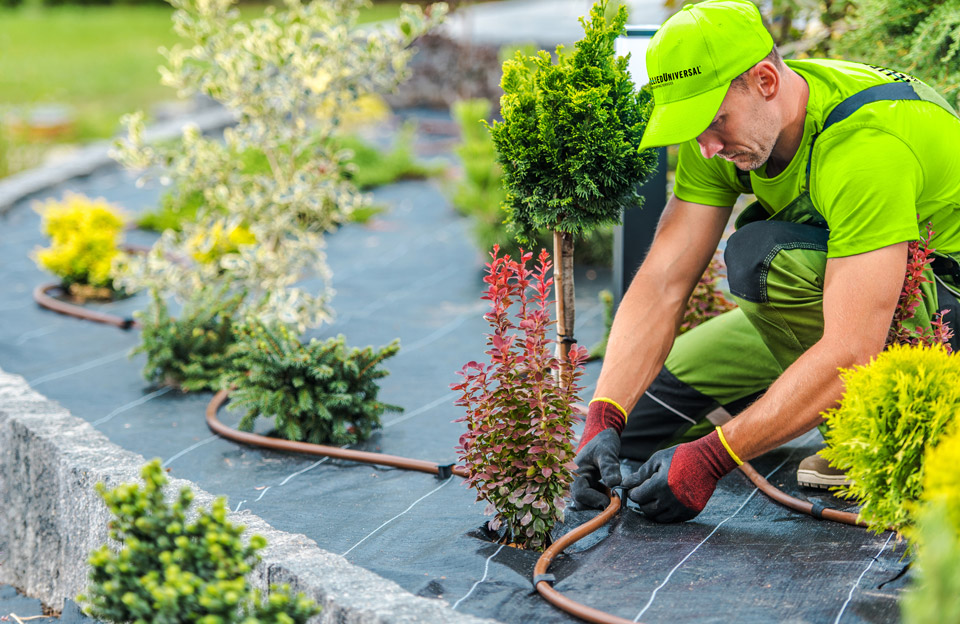
In summary, choosing native plants represents an opportunity to create vibrant landscapes that flourish effortlessly over time with minimal interventions needed from homeowners—combining aesthetics with environmental stewardship beautifully!